Top BMW 318i Models Right Now
Essential Guidelines for Caring for Your Engines & Gearboxes for Extended Lifespan
Preserving engines and gearboxes is crucial for securing their longevity and peak performance. Regular maintenance practices can prevent costly repairs and improve reliability. Understanding the importance of inspections, fluid changes, and proper tools is critical for every vehicle owner. However, many miss key elements that contribute to a well-functioning engine and gearbox system. What specific steps can one take to ensure these components remain in prime condition? The answers may surprise you.
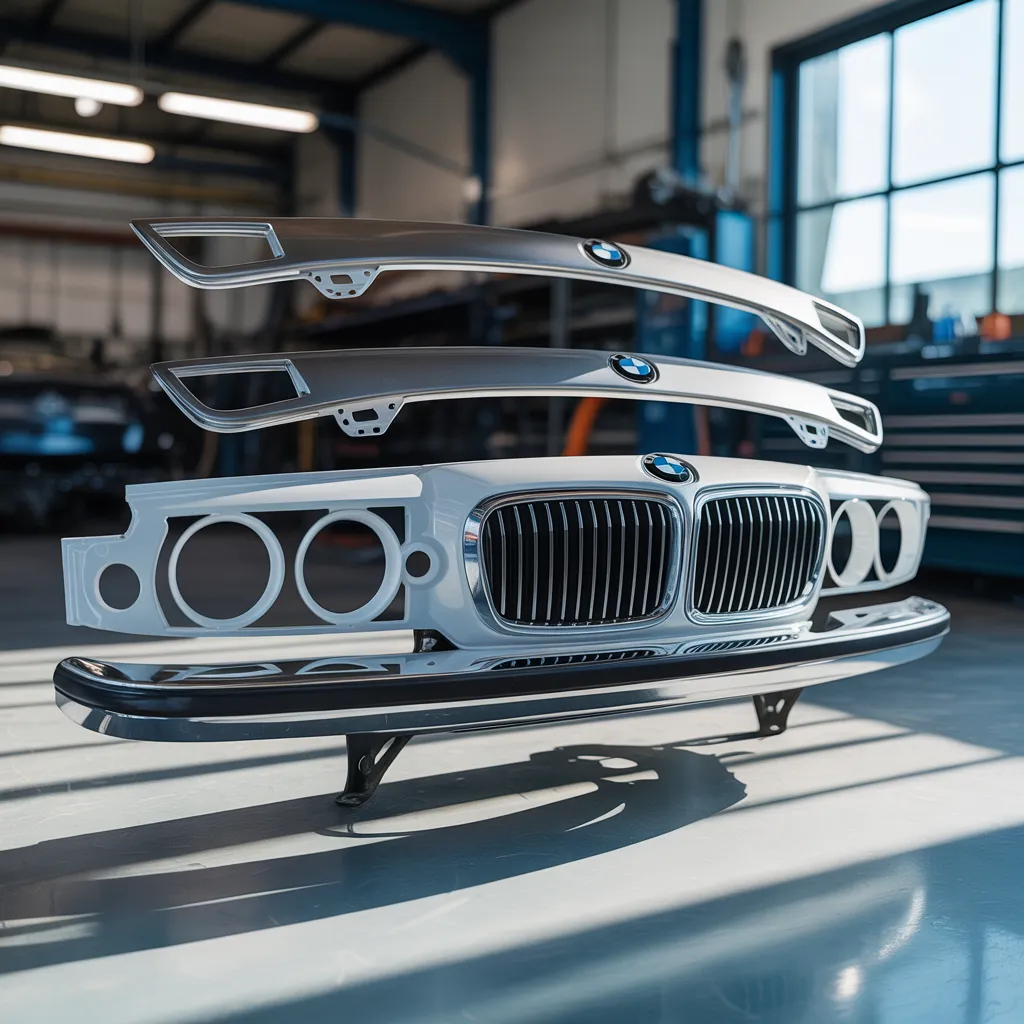
How Regular Upkeep Keeps Your Engine Running Smoothly
Scheduled maintenance is necessary for guaranteeing that an engine works reliably and efficiently. This practice includes a series of organized checks and services that aid in discovering potential issues before they expand. Routine tasks like oil changes, filter replacements, and fluid checks are critical in reducing wear and tear. Neglecting these can result in reduced performance, amplified fuel consumption, and ultimately, expensive repairs.
Additionally, regular maintenance supports engine longevity by confirming that all components function harmoniously. Clean fuel injectors and well-lubricated parts decrease friction, boosting overall performance. Additionally, periodic inspections can catch signs of corrosion or leaks early on, permitting timely intervention. By adhering to a maintenance schedule, vehicle owners can confirm their engines remain in prime condition, thereby ensuring safety and reliability on the road. Basically, regular maintenance is a proactive approach that safeguards the engine's health and performance.
Important Tools for Caring for Your Engine and Gearbox
A well-equipped toolbox is essential for people wanting to maintain their transmission and engine successfully. Important tools feature a socket set, which supplies the necessary versatility for adjusting bolts. A torque wrench is vital for providing the right tension, stopping damage during reassembly. Furthermore, an oil filter wrench facilitates oil changes, guaranteeing efficient maintenance.
A multimeter can help diagnose electrical problems, while a set of screwdrivers—both Phillips and flathead—addresses multiple fastening tasks. Adjustable wrenches and pliers are also vital for gripping and turning components.
In addition, possessing a fluid transfer pump facilitates fluid changes, and a magnetic tray can hold small parts arranged during repairs. Finally, a high-quality mechanic's creeper enables convenient access beneath vehicles. Furnishing a toolbox with these essential tools will simplify maintenance tasks, consequently contributing to the longevity of the engine and gearbox.
Comprehensive Step-by-Step Approach to Routine Inspections
Maintaining optimal engine and gearbox performance necessitates more than just the right tools; it also entails conducting regular inspections. A systematic approach can aid in identifying potential issues before they escalate.
To start, examine fluid levels, making sure both oil and coolant are at proper levels. Check for leaks surrounding seals and gaskets. Next, assess belts and hoses for evidence of wear or fraying. Tighten any loose connections to prevent mechanical failures.
Next, be alert for unusual sounds during operation, which might indicate underlying concerns. Monitor temperature gauges and warning lights for anomalies.
Additionally, inspect the air filters and change them when needed to sustain maximum airflow. Subsequently, note all findings and actions taken to create a maintenance history. Periodic inspections encourage quick detection of defects, making certain engines and gearboxes run smoothly and increasing their operational life.
Strategies for Keeping Engine and Gearbox Clean
Keeping the engine and gearbox clean is essential for peak performance and longevity. Regular cleaning assists in prevent the buildup of dirt, grease, and grime that can impede functionality. To ensure cleanliness, one effective strategy is to schedule regular inspections. During these examinations, any accumulated debris can be promptly removed.
Using appropriate cleaning agents is crucial. It's recommended to use non-corrosive, biodegradable cleaners to ensure sensitive parts remain undamaged. A gentle cloth or brush can be employed to scrub regions without creating scratches. Furthermore, ensuring that air filters are clean will boost airflow, limiting impurities entering the engine and gearbox.
Additionally, it is wise to check and copyright the integrity of seals and gaskets. Compromised seals can let dirt to infiltrate, undermining cleanliness. Finally, maintaining the immediate vicinity tidy can minimize the risk of dirt and dust spreading into the engine and gearbox during maintenance tasks.
Optimal Approaches for Fluid Replacement and Level Maintenance
Regular maintenance of engine and transmission fluids is critical for superior performance. Regularly checking fluid levels and adhering to recommended change intervals can prevent potential damage and extend the lifespan of these components. Adopting these optimal methods secures consistent operation and decreases the chance of high-cost repairs.
Ideal Fluid Service Timeframes
While several vehicle proprietors recognize the value of fluid data changes, recognizing the optimal intervals for these changes can substantially improve engine and gearbox performance. Manufacturers generally recommend particular intervals determined by mileage or time, often ranging from 3,000 to 10,000 miles for engine oil, based on the type of oil used. Gearbox fluids can require changes every thirty thousand to sixty thousand miles, depending on driving conditions. Sticking to these guidelines provides optimal lubrication, reduces wear, and stops overheating. Additionally, extreme conditions such as towing or frequent short trips can warrant more frequent changes. Regularly consulting the vehicle manual is vital for personalized recommendations, ensuring the vehicle performs efficiently and increasing the life of its engine and gearbox.
Inspecting Oil and Fluid Quantities Regularly
Periodically verifying fluid levels is crucial for ensuring peak engine and gearbox performance. This practice helps identify potential issues before they develop into costly repairs. Fluid levels in the engine oil, transmission fluid, coolant, and differential fluid should be monitored consistently. A dipstick or sight glass can deliver quick insights into current levels, while a thorough inspection can expose leaks or contamination. It is recommended to consult the vehicle's manual for advised frequency and specific fluid types. Furthermore, using high-quality fluids that comply with manufacturer specifications ensures superior performance. Consistent fluid checks not only boost performance but also lengthen the lifespan of engines and gearboxes, ultimately ensuring better reliability and efficiency in operations.
Early Signs of Wear and Tear to Watch For
First signs of wear and tear in engines and gearboxes can manifest in several ways. Operators should stay aware of unusual noises during operation, which may indicate underlying issues. Moreover, fluid leaks and overheating during normal use are important signals that maintenance is essential.
Odd Noises During Operation
What might these unusual noises reveal about your engine or gearbox condition? Abnormal noises like grinding, knocking, or whining typically function as initial alerts to emerging concerns. A grinding sound can imply damaged gears or bearings, while knocking often suggests internal issues or poor lubrication. Whining noises could indicate issues with the transmission or belt-driven parts. In addition, rattling could indicate unfastened parts or mounting complications. Neglecting these sounds might expedite wear and bring about substantial repair costs. Routine listening to operational sounds is vital; detecting these warnings early can allow for immediate intervention, maintaining peak performance and durability of the engine and gearbox. Attentiveness is critical to efficient servicing and trouble prevention.
Fluid Leaking Under the Vehicle
What approaches help spot potential troubles before they intensify? Fluid drips underneath vehicles work as advance signals of likely wear and damage. Vehicle owners ought to regularly inspect the parking surface for any abnormal spots or pools. Standard fluids to monitor comprise engine lubricant, transmission oil, coolant, and brake fluid, each showing different colors and characteristics. To illustrate, motor oil commonly appears brown or black in color, whereas antifreeze exhibits green or orange hues. Pinpointing the leak source prevents more considerable engine or transmission destruction. Frequent evaluations of hoses and sealing elements also help discover wear before it results in drips, securing effective vehicle function and lengthening its useful life. Swift intervention proves necessary when seepage is found.
Heat Issues During Standard Use
Overheating during normal use can signal underlying issues that require immediate attention. These signs could reveal a broken thermostat, low coolant levels, or a damaged water pump. Preliminary warnings of damage typically emerge via unpredictable temperature changes and abnormal engine sounds. Vehicle owners should likewise check for steam coming from the engine area or alert lights triggering on the instrument panel. Disregarding these indicators may result in serious motor harm, such as distorted cylinder heads or ruptured gaskets. Routine examinations and timely fixes are essential to avoid excessive heat and ensure optimal operation. Preserving correct liquid levels and swapping damaged elements can substantially increase the longevity of engines and gearboxes, fostering extended life and trustworthiness.
When to Call a Mechanic for Engine and Gearbox Issues?
Determining the right point to consult a mechanic for engine and gearbox concerns can often be confusing for vehicle owners. Identifying early warning signs is crucial. If the engine shows unusual noises, such as knocking or grinding, or if there's a noticeable decline in performance, these may indicate underlying issues. Furthermore, persistent warning lights on the dashboard should never be disregarded, as they often suggest significant issues requiring professional attention.
Fluid leaks, especially oil or transmission fluid, also warrant immediate inspection, as they may result in severe damage if left unaddressed. Furthermore, if the gearbox shows signs of slipping, severe shifting, or unusual vibrations, it's recommended to seek expert assistance promptly. Regular maintenance is crucial, but knowing when to consult a mechanic can stop costly repairs and increase the life expectancy of the vehicle. Quick response guarantees that minor issues don't develop into major, expensive repairs.
Popular Questions
How Frequently Must I Inspect My Engine and Gearbox Fluids?
Engine and transmission fluids should be reviewed consistently, optimally every month or ahead of long journeys. This ensures top performance and helps spot potential concerns early, promoting the longevity and efficiency of the vehicle's components.
Is It Advisable to Perform Maintenance Myself, or Should I Get a Professional?
One can perform basic maintenance themselves if experienced, but bringing in a professional delivers expertise and decreases risk. In the end, the decision relies on one's confidence, skills, and the complexity of the maintenance tasks demanded.
What Are the Symptoms of a Defective Gearbox?
Warning signs of a failing gearbox consist of unusual noises, difficulty changing gears, fluid leaks, burning smells, and vibrations. These signs often suggest internal damage, requiring immediate attention to stop further complications and potential vehicle failure.
In What Ways Does Temperature Affect Engine and Gearbox Performance?
Temperature significantly affects engine and gearbox performance. Excessive heat can bring about overheating, causing reduced efficiency and potential damage, while lower temperatures may result in increased viscosity in lubricants, hindering smooth operation and responsiveness.
Are There Particular Maintenance Tips for Older Engines and Gearboxes?
Frequent oil changes, consistent inspections for leaks, and prompt replacement of worn parts are essential for older engines and gearboxes. Additionally, maintaining appropriate fluid levels and avoiding extreme temperatures can significantly enhance performance and longevity.